

How often should faw chassis components be inspected?
Jan 02, 2026
Regular inspection of FAW chassis components is crucial for maintaining the safety, performance, and longevity of vehicles. As a trusted supplier of FAW chassis components, I understand the significance of proper maintenance and inspection schedules. In this blog, I'll delve into how often FAW chassis components should be inspected, the key components that need attention, and why regular inspections are non - negotiable.
Importance of Regular Inspections
Before discussing the inspection intervals, it's essential to understand why regular inspections are so important. FAW chassis components are the backbone of the vehicle, supporting the weight of the vehicle and its load, providing stability, and enabling smooth movement. Over time, these components are subject to wear and tear due to factors such as road conditions, driving habits, and environmental elements.
Regular inspections can detect early signs of damage or wear. This allows for timely repairs or replacements, preventing minor issues from escalating into major and potentially dangerous problems. Additionally, well - maintained chassis components contribute to better fuel efficiency, reduced emissions, and a more comfortable driving experience.
General Inspection Guidelines
The frequency of inspecting FAW chassis components can vary depending on several factors, including the type of vehicle (e.g., light - duty, medium - duty, or heavy - duty), the operating conditions, and the manufacturer's recommendations. However, there are some general guidelines that can be followed.
Light - Duty FAW Vehicles
For light - duty FAW vehicles used for daily commuting or light commercial purposes, a comprehensive chassis inspection should be carried out at least once a year or every 12,000 - 15,000 miles, whichever comes first. These vehicles typically operate under relatively normal conditions, but regular checks are still necessary to ensure safety and performance.
Medium - Duty FAW Vehicles
Medium - duty FAW vehicles, such as those used for local delivery or service work, are often subjected to more demanding conditions. For these vehicles, a chassis inspection every six months or every 10,000 - 12,000 miles is recommended. The more frequent inspections help to catch any issues that may arise from the increased use and potentially harsher operating environments.
Heavy - Duty FAW Vehicles
Heavy - duty FAW trucks, which are used for long - haul transportation or heavy - load carrying, require the most frequent inspections. A thorough chassis inspection should be conducted every three months or every 8,000 - 10,000 miles. These vehicles endure extreme stress on their chassis components, and regular inspections are vital to prevent breakdowns and ensure compliance with safety regulations.
Key Components to Inspect
Let's take a closer look at some of the key FAW chassis components that should be inspected regularly.
Suspension System
The suspension system is responsible for providing a smooth ride and maintaining vehicle stability. Components such as shock absorbers, springs, and control arms should be inspected for signs of wear, damage, or leakage. Worn shock absorbers can lead to poor handling and increased tire wear, while damaged springs can affect the vehicle's ride height and stability.
Steering System
The steering system allows the driver to control the direction of the vehicle. Components like the steering gear, tie - rods, and ball joints need to be inspected for play, wear, or damage. Any looseness in the steering system can result in poor steering response and pose a significant safety risk.
Braking System
The braking system is perhaps the most critical safety component of the vehicle. Brake pads, rotors, calipers, and brake lines should be inspected regularly. Worn brake pads can reduce braking performance, while damaged brake lines can lead to brake failure. It's important to ensure that the brakes are in good working condition at all times.
Axles and Driveshafts
Axles and driveshafts transfer power from the engine to the wheels. They should be inspected for signs of cracks, bends, or excessive wear. Any damage to these components can lead to loss of power transmission and potential vehicle breakdown.
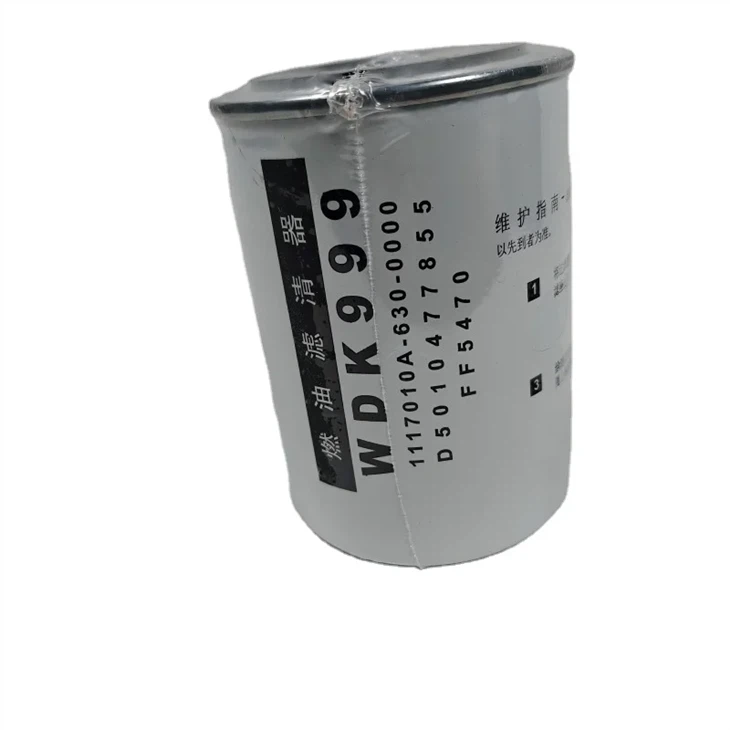
Fuel Water Filter for Faw
The fuel water filter is an often - overlooked but essential component of the FAW chassis. It helps to remove water and contaminants from the fuel, ensuring clean fuel reaches the engine. A clogged or malfunctioning fuel water filter can lead to engine performance issues and damage. It should be inspected and replaced according to the manufacturer's recommendations, which are typically every 15,000 - 20,000 miles or as indicated by the vehicle's maintenance schedule.
Factors Affecting Inspection Frequency
In addition to the type of vehicle, there are other factors that can affect how often FAW chassis components should be inspected.
Operating Conditions
Vehicles that operate in harsh environments, such as off - road conditions, extreme temperatures, or areas with a lot of dust and debris, may require more frequent inspections. Off - road driving can subject the chassis to more severe shocks and vibrations, while extreme temperatures can cause components to expand and contract, leading to premature wear.
Driving Habits
Aggressive driving habits, such as hard braking, rapid acceleration, and high - speed cornering, can also increase the wear and tear on chassis components. Drivers who engage in these behaviors may need to have their vehicles inspected more frequently.
Vehicle Age
Older vehicles are more likely to have worn - out components. As a vehicle ages, the frequency of inspections may need to be increased to account for the natural deterioration of the chassis components.

Benefits of Working with a Reputable Supplier
As a FAW chassis components supplier, I can offer high - quality parts and expert advice on maintenance and inspection. By working with a reputable supplier, you can ensure that the components you use are genuine and meet the highest standards of quality. This not only improves the performance and reliability of your vehicles but also reduces the risk of breakdowns and costly repairs.
In addition, a good supplier can provide you with detailed information on the recommended inspection intervals for different components. They can also assist you in identifying the right parts for your specific vehicle model and operating conditions.
Conclusion
Regular inspection of FAW chassis components is an essential part of vehicle maintenance. By following the recommended inspection intervals based on the type of vehicle, operating conditions, and driving habits, you can ensure the safety, performance, and longevity of your FAW vehicles.
If you're in the market for high - quality FAW chassis components or need advice on maintenance and inspection, I'm here to help. Whether you're a fleet manager, a vehicle owner, or a mechanic, I can provide you with the products and support you need. Reach out to me to discuss your requirements and start a procurement conversation.
References
- Vehicle Maintenance Manuals provided by FAW
- Industry standards and best practices for vehicle maintenance