
Do faw chassis components have a standardized design?
Dec 15, 2025
In the automotive industry, the question of whether FAW chassis components have a standardized design is a topic that garners significant attention. As a supplier of FAW chassis components, I have witnessed firsthand the intricacies and challenges associated with this aspect of the business. In this blog post, I will delve into the concept of standardization in FAW chassis components, exploring its benefits, challenges, and the current state of affairs.
The Importance of Standardization
Standardization plays a crucial role in the automotive industry, offering numerous benefits for both manufacturers and suppliers. For FAW, standardizing chassis components can lead to increased efficiency in production, reduced costs, and improved quality control. When components are standardized, it becomes easier to mass-produce them, which can result in economies of scale. This, in turn, can lower the cost of production, making the final products more affordable for consumers.
Moreover, standardization can enhance the compatibility and interchangeability of components. This means that different models of FAW vehicles can use the same standardized chassis components, simplifying the manufacturing process and reducing the need for extensive customization. It also makes it easier for mechanics to repair and maintain vehicles, as they can easily find and replace standardized components.
Another significant advantage of standardization is improved quality control. When components are designed and manufactured to a set of standardized specifications, it becomes easier to ensure that they meet the required quality standards. This can lead to fewer defects and recalls, enhancing the overall reliability and safety of FAW vehicles.
Challenges in Standardizing FAW Chassis Components
While the benefits of standardization are clear, there are also several challenges that need to be overcome. One of the main challenges is the diverse range of FAW vehicle models and their specific requirements. FAW produces a wide variety of vehicles, including trucks, buses, and passenger cars, each with its own unique design and performance requirements. This makes it difficult to develop a one-size-fits-all standardized design for chassis components.
For example, a heavy-duty truck may require more robust and durable chassis components compared to a passenger car. The load capacity, suspension system, and braking requirements of these vehicles are significantly different, which means that the chassis components need to be designed accordingly. As a result, achieving a high level of standardization across all FAW vehicle models can be a complex and challenging task.
Another challenge is the rapid pace of technological advancement in the automotive industry. New materials, manufacturing processes, and design concepts are constantly emerging, which can make it difficult to keep up with the latest standards. For instance, the increasing demand for lightweight and fuel-efficient vehicles has led to the development of new materials such as carbon fiber and aluminum alloys. Incorporating these new materials into standardized chassis component designs requires significant research and development efforts.
In addition, the global nature of the automotive market also poses challenges to standardization. FAW exports its vehicles to various countries around the world, each with its own set of regulations and standards. Ensuring that standardized chassis components comply with these different regulations can be a time-consuming and costly process.
The Current State of Standardization in FAW Chassis Components
Despite the challenges, FAW has made significant progress in standardizing its chassis components. The company has established a set of internal standards and guidelines for the design and manufacturing of chassis components, which helps to ensure consistency and quality across its product range. These standards cover various aspects of the components, including dimensions, materials, and performance requirements.
FAW also collaborates closely with its suppliers, including our company, to ensure that the chassis components meet the required standards. As a supplier, we are required to adhere to FAW's strict quality control measures and undergo regular audits to ensure compliance. This collaborative approach helps to ensure that the standardized components are of high quality and meet the specific requirements of FAW's vehicles.
In recent years, FAW has also been investing in research and development to further improve the standardization of its chassis components. The company is exploring the use of advanced technologies such as computer-aided design (CAD) and simulation to optimize the design of components and reduce the time and cost of development. By leveraging these technologies, FAW can develop more efficient and effective standardized designs that meet the evolving needs of the automotive market.
The Role of Suppliers in Standardization
As a supplier of FAW chassis components, we play a crucial role in the standardization process. Our company is committed to working closely with FAW to develop and manufacture high-quality standardized components that meet the company's requirements. We have a team of experienced engineers and technicians who are dedicated to researching and developing new component designs and manufacturing processes.

One of our key responsibilities is to ensure that the materials used in the production of chassis components meet the required standards. We source our materials from reliable suppliers and conduct rigorous quality control checks to ensure their quality and consistency. By using high-quality materials, we can ensure that the standardized components are durable and reliable, which is essential for the performance and safety of FAW vehicles.
In addition, we also invest in advanced manufacturing equipment and technologies to improve the efficiency and precision of our production processes. This allows us to produce standardized components with high accuracy and repeatability, which is crucial for maintaining the quality and performance of the components.
We also understand the importance of continuous improvement in the standardization process. We regularly review and evaluate our manufacturing processes and component designs to identify areas for improvement. By implementing these improvements, we can further enhance the quality and performance of our standardized components, which ultimately benefits FAW and its customers.
Conclusion
In conclusion, while there are challenges in standardizing FAW chassis components, the benefits of standardization are significant. Standardization can lead to increased efficiency, reduced costs, and improved quality control, which are essential for the success of FAW in the highly competitive automotive market. FAW has made significant progress in standardizing its chassis components, and with the continued collaboration between the company and its suppliers, we can expect to see further improvements in the future.
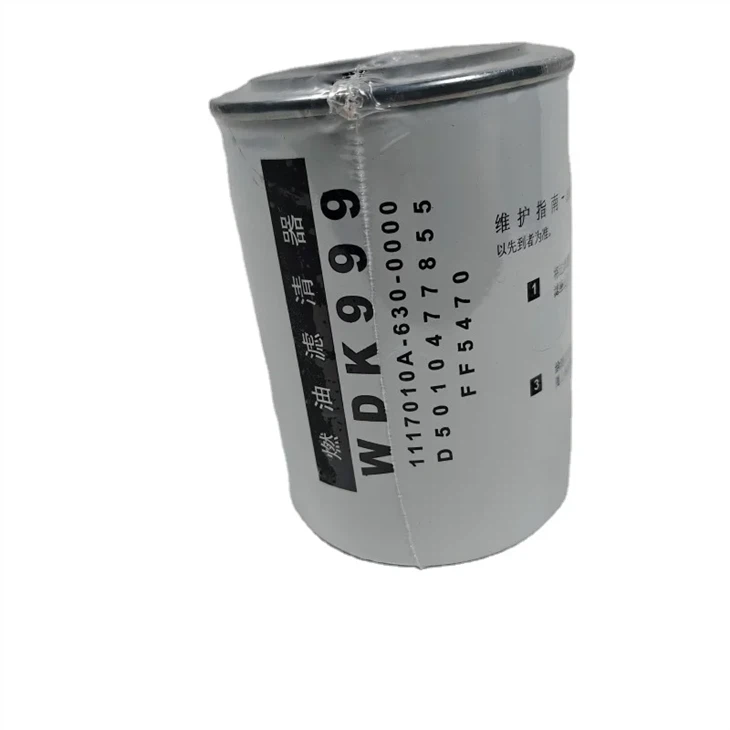
As a supplier of FAW chassis components, we are proud to be part of this process. We are committed to providing high-quality standardized components that meet the specific requirements of FAW's vehicles. If you are interested in purchasing our Fuel Water Filter for Faw or other FAW chassis components, please feel free to contact us for more information and to discuss your procurement needs. We look forward to the opportunity to work with you.
References
- Automotive Industry Standards Handbook
- FAW Technical Documentation
- Research Papers on Automotive Component Standardization