

How does the clutch plate for Faw interact with the flywheel?
Nov 07, 2025
As a dedicated supplier of clutch plates for FAW, I've delved deep into the intricate dance between the clutch plate and the flywheel within FAW vehicles. This interaction is not just a mechanical process; it's the heart of the vehicle's power transmission system, enabling smooth gear changes and efficient operation. In this blog, I'll share my insights on how these two crucial components work together to ensure the optimal performance of FAW vehicles.
Understanding the Basics: Clutch Plate and Flywheel
Before we explore their interaction, let's briefly understand what the clutch plate and flywheel are. The flywheel is a heavy, circular metal disc attached to the engine's crankshaft. Its primary function is to store rotational energy and provide a smooth and consistent power output by reducing the fluctuations in the engine's torque. The flywheel also serves as a mounting surface for the clutch assembly.
On the other hand, the clutch plate is a friction disc located between the flywheel and the pressure plate. It has friction linings on both sides, which come into contact with the flywheel and the pressure plate when the clutch is engaged. The clutch plate is connected to the transmission input shaft, allowing power to be transferred from the engine to the transmission.
The Engagement Process
When the driver presses the clutch pedal, the clutch release bearing is activated, which in turn disengages the pressure plate from the clutch plate. This action separates the clutch plate from the flywheel, interrupting the power flow from the engine to the transmission. As a result, the driver can shift gears without causing damage to the transmission.
Once the gear shift is complete, the driver gradually releases the clutch pedal. As the pedal is released, the pressure plate applies pressure to the clutch plate, pressing it against the flywheel. The friction between the clutch plate and the flywheel allows the rotational energy from the engine to be transferred to the transmission input shaft, engaging the transmission and propelling the vehicle forward.
The Role of Friction
Friction is the key to the interaction between the clutch plate and the flywheel. The friction linings on the clutch plate are designed to provide a high coefficient of friction, ensuring a strong grip on the flywheel. When the clutch is engaged, the friction between the two surfaces allows the power to be transferred efficiently from the engine to the transmission.
However, excessive friction can also cause problems. If the friction linings on the clutch plate are worn out or contaminated, the clutch may slip, resulting in a loss of power and reduced fuel efficiency. On the other hand, if the friction is too low, the clutch may not engage properly, causing difficulty in shifting gears and a rough ride.
Heat Dissipation
Another important aspect of the interaction between the clutch plate and the flywheel is heat dissipation. When the clutch is engaged, the friction between the two surfaces generates heat. If this heat is not dissipated properly, it can cause the clutch plate and the flywheel to overheat, leading to premature wear and damage.
To prevent overheating, the clutch plate and the flywheel are designed with cooling fins and ventilation holes. These features help to increase the surface area of the components, allowing the heat to be dissipated more effectively. Additionally, some clutch systems are equipped with a clutch cooling system, which uses a fluid to absorb and transfer the heat away from the clutch assembly.
Compatibility and Quality
As a supplier of clutch plates for FAW, I understand the importance of compatibility and quality. The clutch plate must be specifically designed to fit the FAW vehicle's make and model, ensuring a proper fit and optimal performance. Additionally, the clutch plate must be made from high-quality materials and manufactured to strict standards to ensure durability and reliability.
At our company, we use only the finest materials and the latest manufacturing techniques to produce our clutch plates. Our products are rigorously tested to ensure they meet or exceed the original equipment manufacturer (OEM) specifications. We also offer a wide range of clutch plates for different FAW vehicles, including trucks, buses, and cars.

Related Components
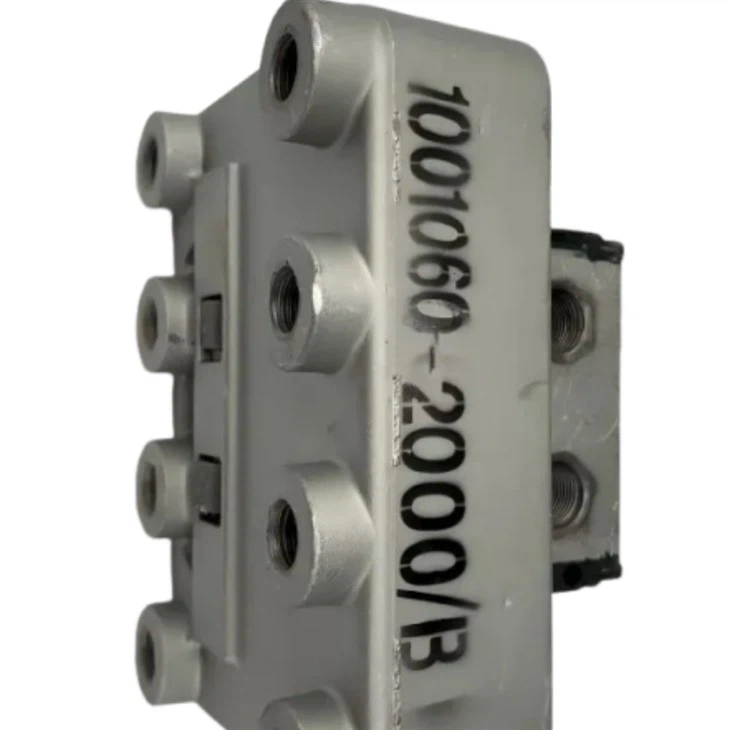
In addition to the clutch plate and the flywheel, there are several other components that play a crucial role in the clutch system. One of these components is the Clutch Sub-pumps for Faw. The clutch sub-pump is responsible for hydraulic pressure transfer, ensuring smooth and precise clutch operation. Another important component is the Brake Master Cylinder for Sinotruk Howo, which is used to control the braking system. The Engine Rubber Pad for Faw is also essential, as it helps to reduce vibration and noise from the engine.
Conclusion
The interaction between the clutch plate and the flywheel is a complex and crucial process that ensures the smooth operation of FAW vehicles. By understanding how these two components work together, drivers can take better care of their vehicles and avoid costly repairs. As a supplier of clutch plates for FAW, I'm committed to providing high-quality products and excellent customer service. If you're in the market for a new clutch plate for your FAW vehicle, I encourage you to contact us to discuss your needs. We'll be happy to help you find the right product at the right price.
References
- Automotive Engineering Handbook, Society of Automotive Engineers
- Clutch System Design and Analysis, SAE International
- FAW Vehicle Maintenance Manuals