

How to check the condition of faw chassis components?
Oct 28, 2025
As a trusted supplier of FAW chassis components, I understand the critical importance of ensuring the optimal condition of these parts. FAW trucks are renowned for their durability and performance, but like any heavy - duty machinery, their chassis components require regular checks to maintain safety and efficiency. In this blog, I'll share some key steps and methods to check the condition of FAW chassis components.
1. Visual Inspection
The first and simplest step in checking FAW chassis components is a thorough visual inspection. This can reveal a lot about the overall health of the parts.

Frame
The frame is the backbone of the truck. Start by examining the frame for any signs of cracks, bends, or corrosion. Cracks can significantly weaken the frame and pose a serious safety risk. Look for any visible stress marks, especially around areas where heavy components are attached, such as the engine mounts and suspension points. Corrosion can eat away at the metal, reducing its strength over time. Pay close attention to areas that are exposed to moisture, such as the underbody and near the wheels.
Suspension Components
Inspect the suspension components, including the leaf springs, shock absorbers, and control arms. Leaf springs should be checked for broken or cracked leaves. A broken leaf can cause uneven weight distribution and affect the handling of the truck. Shock absorbers are responsible for dampening the vibrations from the road. Look for signs of leakage, which indicates that the shock absorber may be failing. Control arms should be examined for any signs of wear or damage, such as loose bushings or bent arms.
Brake System
The brake system is one of the most crucial safety features of the truck. Check the brake lines for any signs of leaks, corrosion, or damage. Brake hoses can also deteriorate over time, so look for cracks or bulges. Inspect the brake pads and shoes for wear. If the pads are too thin, they may not provide sufficient braking force. The brake drums and rotors should be checked for scoring or warping, which can affect the braking performance.
Wheels and Tires
Inspect the wheels for any signs of damage, such as cracks or bends. Check the tire pressure regularly and ensure that it is within the recommended range. Uneven tire wear can indicate problems with the alignment or suspension. Look for any signs of cuts, bulges, or punctures on the tires. Worn - out tires can increase the risk of blowouts and reduce the traction on the road.
2. Measurement and Testing
Visual inspection can only go so far. Sometimes, more in - depth measurement and testing are required to accurately assess the condition of FAW chassis components.
Alignment
Proper wheel alignment is essential for even tire wear and optimal handling. Use a wheel alignment machine to measure the camber, caster, and toe angles of the wheels. If the alignment is out of spec, it can cause the tires to wear unevenly and affect the steering stability of the truck. Adjust the alignment as needed to ensure that the wheels are parallel and perpendicular to the ground.
Suspension Travel
Measure the suspension travel to ensure that it is within the manufacturer's specifications. This can be done using a suspension travel gauge. Limited suspension travel can indicate problems with the suspension components, such as worn - out shocks or springs. If the suspension travel is too short, it can lead to a rough ride and increased stress on the chassis.
Brake Performance
Test the brake performance using a brake tester. This can measure the braking force and ensure that all wheels are braking evenly. If the braking force is uneven, it can indicate problems with the brake system, such as a stuck caliper or a clogged brake line. Additionally, check the brake pedal feel. A spongy or soft brake pedal can indicate air in the brake lines or a problem with the master cylinder.
3. Component - Specific Checks
Some FAW chassis components require specific checks to ensure their proper functioning.
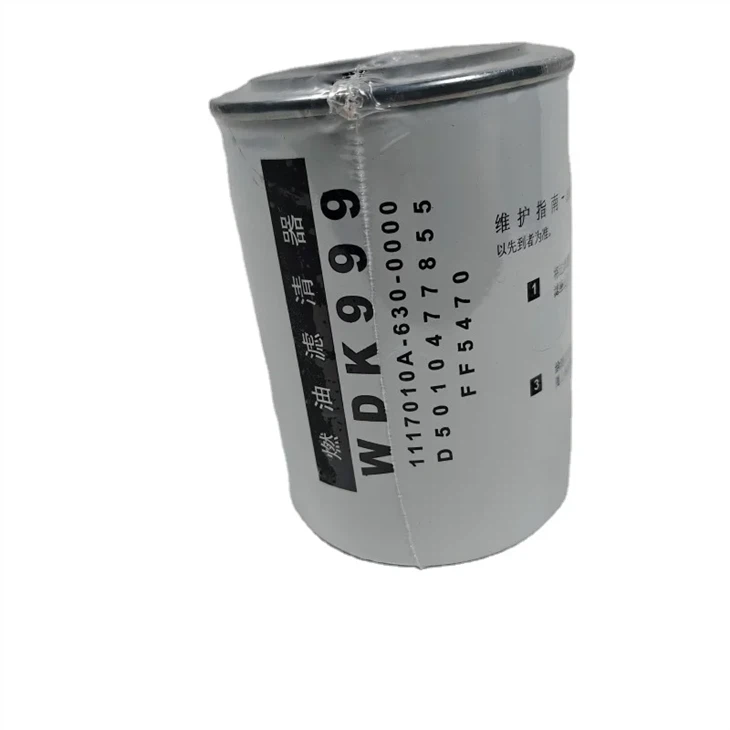
Fuel Water Filter for Faw
The fuel water filter is an important component that removes water and contaminants from the fuel. Check the filter for clogging or water accumulation. A clogged filter can restrict the fuel flow and cause engine performance issues. If the filter is dirty or contains a significant amount of water, it should be replaced.
Steering System
Inspect the steering system for any signs of play or looseness. Check the steering gearbox for leaks and proper lubrication. The steering linkage should be examined for wear or damage. A loose or worn steering system can make it difficult to control the truck and increase the risk of accidents.
Exhaust System
The exhaust system plays a role in reducing emissions and noise. Check the exhaust pipes for any signs of leaks, rust, or damage. A leaking exhaust can release harmful gases into the cabin and affect the performance of the engine. Inspect the muffler for any signs of damage or blockage.
4. Regular Maintenance Records
Maintaining regular maintenance records is crucial for keeping track of the condition of FAW chassis components. Record all inspections, repairs, and replacements. This can help you identify patterns of wear and tear and plan for future maintenance. By referring to the maintenance records, you can also ensure that all components are being serviced at the recommended intervals.
Conclusion
Checking the condition of FAW chassis components is a comprehensive process that requires a combination of visual inspection, measurement, and testing. By following these steps and conducting regular checks, you can ensure the safety, performance, and longevity of the trucks. As a FAW chassis components supplier, I am committed to providing high - quality parts and technical support to help you keep your trucks in top condition.
If you are in the market for FAW chassis components or need further advice on maintenance and inspection, please feel free to reach out. We are here to assist you in making the right choices for your fleet.
References
- FAW Truck Service Manual
- Automotive Chassis Design and Maintenance Handbook
- Industry standards and best practices for heavy - duty truck maintenance