

How to store faw chassis components properly?
May 19, 2025
Proper storage of FAW chassis components is a crucial aspect of maintaining their quality and functionality. As a supplier of FAW chassis components, I understand the significance of effective storage practices. In this blog, I will share some insights on how to store these components properly to ensure their longevity and performance.
Understanding the Importance of Proper Storage
Before delving into the specific storage methods, it is essential to understand why proper storage is so important. FAW chassis components are precision-engineered parts that are designed to meet high standards of quality and reliability. Exposure to adverse environmental conditions, such as humidity, temperature fluctuations, and dust, can cause corrosion, rust, and other forms of damage. This can not only compromise the performance of the components but also lead to costly repairs and replacements.
Proper storage also helps to prevent damage during handling and transportation. By storing the components in a secure and organized manner, you can minimize the risk of scratches, dents, and other physical damage. This is particularly important for components that are sensitive to impact or vibration, such as fuel injectors, sensors, and electronic control units.
Factors to Consider Before Storage
Before storing FAW chassis components, there are several factors that you need to consider. These include the type of component, its size and weight, the storage environment, and the duration of storage.
Type of Component
Different types of FAW chassis components have different storage requirements. For example, metal components are more susceptible to corrosion and rust, while rubber and plastic components may be affected by UV radiation and heat. It is important to understand the specific storage requirements of each component to ensure its proper preservation.
Size and Weight
The size and weight of the components will also affect the storage method. Larger and heavier components may require specialized storage equipment, such as racks, pallets, or crates. Smaller components can be stored in containers or boxes. It is important to ensure that the storage equipment is strong enough to support the weight of the components and that it is designed to prevent damage during handling and storage.
Storage Environment
The storage environment is one of the most important factors to consider when storing FAW chassis components. The ideal storage environment should be clean, dry, and well-ventilated. It should also be protected from direct sunlight, moisture, and extreme temperatures.
Humidity is a major concern when storing metal components. High humidity levels can cause corrosion and rust, which can damage the components and reduce their lifespan. To prevent this, it is important to store the components in a dry environment with a relative humidity of less than 60%. You can use dehumidifiers or desiccants to control the humidity levels in the storage area.

Temperature fluctuations can also affect the performance of FAW chassis components. Extreme temperatures can cause the components to expand or contract, which can lead to stress and damage. It is important to store the components in a temperature-controlled environment with a stable temperature between 10°C and 30°C.
Duration of Storage
The duration of storage will also affect the storage method. If you are storing the components for a short period of time, you may be able to use a simple storage solution, such as a cardboard box or a plastic container. However, if you are storing the components for a longer period of time, you may need to use a more sophisticated storage method, such as a climate-controlled warehouse.
Storage Methods for FAW Chassis Components
There are several storage methods that you can use to store FAW chassis components properly. These include:
Rack Storage
Rack storage is a popular storage method for FAW chassis components. It involves using racks or shelves to store the components in an organized and accessible manner. Rack storage is ideal for storing larger and heavier components, such as axles, frames, and engines.
When using rack storage, it is important to ensure that the racks are strong enough to support the weight of the components and that they are designed to prevent damage during handling and storage. You should also label the racks and shelves to make it easy to locate the components.
Pallet Storage
Pallet storage is another popular storage method for FAW chassis components. It involves using pallets to store the components in a stackable and transportable manner. Pallet storage is ideal for storing smaller and lighter components, such as wheels, brakes, and suspension parts.
When using pallet storage, it is important to ensure that the pallets are strong enough to support the weight of the components and that they are designed to prevent damage during handling and storage. You should also use pallet wraps or straps to secure the components to the pallets.
Container Storage
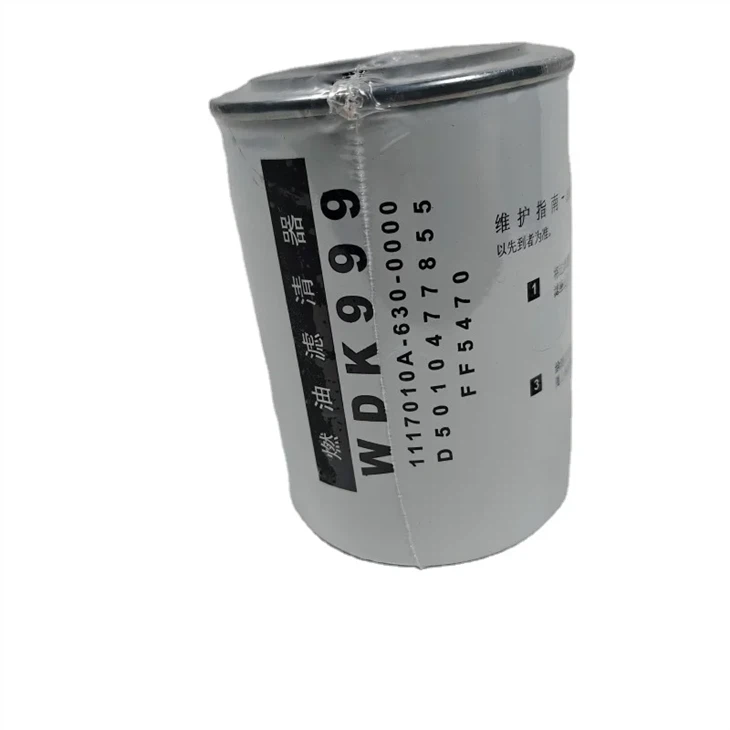
Container storage is a convenient storage method for FAW chassis components. It involves using containers or boxes to store the components in a protected and organized manner. Container storage is ideal for storing small and medium-sized components, such as filters, hoses, and electrical parts.
When using container storage, it is important to ensure that the containers are made of a durable material, such as plastic or metal, and that they are designed to prevent damage during handling and storage. You should also label the containers to make it easy to locate the components.
Climate-Controlled Storage
Climate-controlled storage is a specialized storage method for FAW chassis components. It involves using a climate-controlled warehouse or storage facility to store the components in a controlled environment. Climate-controlled storage is ideal for storing components that are sensitive to temperature, humidity, or other environmental factors, such as electronic components, fuel injectors, and sensors.
When using climate-controlled storage, it is important to ensure that the storage facility is equipped with temperature and humidity control systems and that it is monitored regularly to ensure that the environmental conditions are within the acceptable range.
Additional Tips for Proper Storage
In addition to the storage methods mentioned above, there are several additional tips that you can follow to ensure the proper storage of FAW chassis components. These include:
Clean the Components Before Storage
Before storing the components, it is important to clean them thoroughly to remove any dirt, grease, or other contaminants. This will help to prevent corrosion and rust and will also make it easier to inspect the components for damage.
Apply a Protective Coating
For metal components, it is recommended to apply a protective coating, such as oil, grease, or paint, to prevent corrosion and rust. This will help to extend the lifespan of the components and will also make them easier to clean and maintain.
Inspect the Components Regularly
It is important to inspect the components regularly to check for any signs of damage or deterioration. This will help to identify any problems early on and will allow you to take corrective action before the components are damaged beyond repair.
Keep a Record of the Components
It is a good idea to keep a record of the components that you are storing, including their make, model, serial number, and date of storage. This will help you to track the components and will also make it easier to locate them when you need them.
Conclusion
Proper storage of FAW chassis components is essential to ensure their quality and functionality. By understanding the importance of proper storage, considering the factors before storage, and using the appropriate storage methods, you can protect your components from damage and extend their lifespan. Remember to clean the components before storage, apply a protective coating, inspect them regularly, and keep a record of them. If you have any questions or need further assistance with storing FAW chassis components, please do not hesitate to contact me for a purchase negotiation.
References
- Automotive Component Storage Guidelines, Industry Standard Publications
- Best Practices for Storing Precision Engineered Parts, Technical Manuals from Component Manufacturers