

What is the minimum operating temperature of the fuel water filter for Faw?
Jun 04, 2025
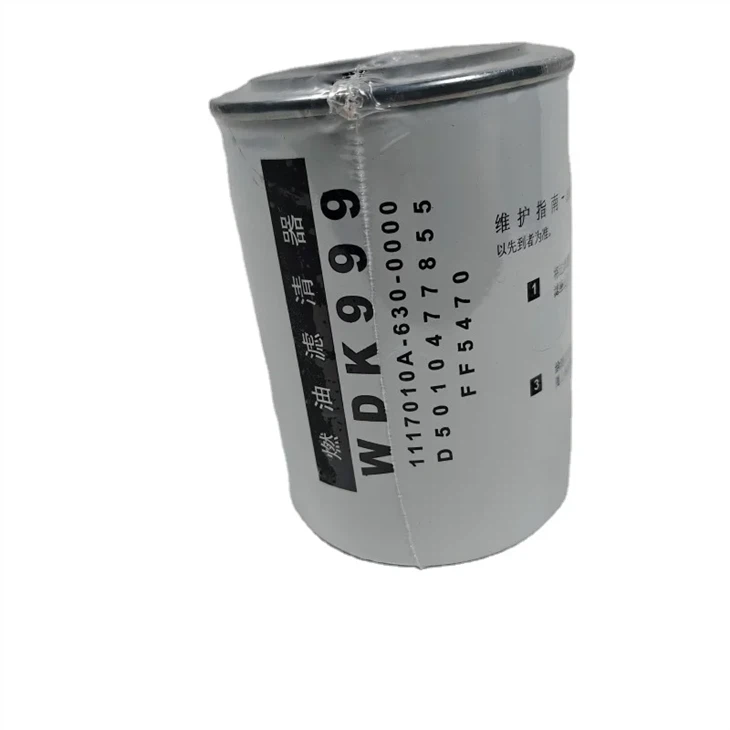
As a trusted supplier of Fuel Water Filter for Faw, I've encountered numerous inquiries regarding the minimum operating temperature of these filters. Understanding this parameter is crucial for the efficient and reliable performance of Faw vehicles, as the fuel water filter plays a pivotal role in ensuring the quality of the fuel supplied to the engine. In this blog, I'll delve into the factors that determine the minimum operating temperature of Faw fuel water filters, the implications of operating outside this range, and how to maintain optimal performance in varying temperature conditions.
Factors Determining the Minimum Operating Temperature
The minimum operating temperature of a fuel water filter for Faw is influenced by several key factors, primarily related to the properties of the filter materials and the characteristics of the fuel itself.
Filter Materials
The materials used in the construction of the fuel water filter have a significant impact on its temperature tolerance. Most filters consist of a filter media, typically made of paper, synthetic fibers, or a combination of both, housed in a plastic or metal casing.
Paper filter media, while effective at removing contaminants from the fuel, can become brittle and lose its structural integrity at low temperatures. This can lead to cracking or tearing of the media, allowing unfiltered fuel to pass through the filter and potentially causing damage to the engine. Synthetic fiber filter media, on the other hand, generally have better temperature resistance and can maintain their performance over a wider temperature range.
The casing material also plays a role in the filter's temperature performance. Plastic casings are lightweight and cost-effective, but they may become brittle and prone to cracking in cold temperatures. Metal casings, such as aluminum or steel, offer better durability and temperature resistance, but they are heavier and more expensive.
Fuel Properties
The properties of the fuel being filtered, such as its viscosity and pour point, also affect the minimum operating temperature of the filter. Viscosity is a measure of a fluid's resistance to flow, and it increases as the temperature decreases. At low temperatures, the fuel becomes more viscous, making it more difficult for it to pass through the filter media. If the viscosity of the fuel becomes too high, it can cause a significant pressure drop across the filter, reducing the flow of fuel to the engine and potentially causing engine stalling or other performance issues.
The pour point of the fuel is the lowest temperature at which it will flow under specific conditions. If the temperature drops below the pour point, the fuel will solidify, preventing it from passing through the filter altogether. Different types of fuel have different pour points, and it's important to use a fuel that is suitable for the operating conditions.
Implications of Operating Outside the Minimum Temperature Range
Operating a Faw fuel water filter outside its minimum operating temperature range can have several negative consequences, both for the filter itself and for the performance of the vehicle.
Reduced Filter Efficiency
At low temperatures, the filter media may become less effective at removing contaminants from the fuel. As the fuel becomes more viscous, it may not flow through the filter media as easily, reducing the contact time between the fuel and the filter media and allowing some contaminants to pass through. This can lead to increased wear and tear on the engine components, reduced fuel efficiency, and potential engine damage.
Filter Blockage
If the temperature drops below the minimum operating temperature, the fuel may solidify or become too viscous to pass through the filter. This can cause the filter to become blocked, preventing the flow of fuel to the engine and causing the engine to stall. In some cases, the pressure build-up in the filter can cause it to rupture, leading to fuel leakage and potential safety hazards.
Damage to the Filter
Operating the filter at temperatures below its minimum rating can also cause damage to the filter materials. As mentioned earlier, paper filter media can become brittle and crack at low temperatures, while plastic casings can become brittle and prone to cracking. This can compromise the integrity of the filter and reduce its effectiveness at removing contaminants from the fuel.
Maintaining Optimal Performance in Varying Temperature Conditions
To ensure the optimal performance of Faw fuel water filters in varying temperature conditions, it's important to take several precautions.

Use the Right Fuel
Using a fuel that is suitable for the operating conditions is crucial. In cold weather, it's recommended to use a fuel with a lower pour point to prevent it from solidifying. Many fuel suppliers offer winter-grade fuels that are formulated to perform better in cold temperatures.
Install a Fuel Heater
Installing a fuel heater can help to maintain the temperature of the fuel above its pour point and reduce its viscosity, making it easier for it to pass through the filter. Fuel heaters can be installed in the fuel line or in the fuel tank, and they can be either electric or engine coolant-powered.
Insulate the Filter
Insulating the fuel water filter can help to protect it from the cold and maintain its temperature within the operating range. This can be done using insulation materials such as foam or fiberglass, which can be wrapped around the filter.
Monitor the Filter Pressure
Monitoring the pressure drop across the filter can help to detect any potential issues early on. If the pressure drop across the filter increases significantly, it may indicate that the filter is becoming blocked or that the fuel is too viscous. In such cases, it's important to take appropriate action, such as replacing the filter or using a fuel with a lower viscosity.
Conclusion
The minimum operating temperature of a fuel water filter for Faw is an important parameter that affects its performance and durability. By understanding the factors that determine the minimum operating temperature, the implications of operating outside this range, and how to maintain optimal performance in varying temperature conditions, you can ensure the reliable operation of your Faw vehicle.
As a supplier of Fuel Water Filter for Faw, I'm committed to providing high-quality filters that are designed to meet the specific needs of Faw vehicles. If you have any questions or need further information about our products, please don't hesitate to contact us. We're here to help you make the right choice for your vehicle and ensure its optimal performance.
References
- SAE International. (20XX). Fuel Filter Standards and Guidelines.
- Faw Vehicle Manufacturer's Manual. (20XX).
- Industry Research Reports on Fuel Water Filters. (20XX).