

What materials are used to make a clutch plate for Schman?
Jul 09, 2025
As a trusted supplier of Clutch Plate for Schman, I often receive inquiries about the materials used in manufacturing these essential components. In this blog, I'll delve into the key materials that go into making a high - quality Schman clutch plate, explaining their properties and why they are crucial for the performance of the clutch system.
Friction Materials
The friction surface of a clutch plate is perhaps the most critical part. It is responsible for transmitting power from the engine to the transmission when the clutch is engaged. Two commonly used friction materials are organic and ceramic.
Organic Friction Materials
Organic friction materials are made from a combination of fibers, resins, and fillers. The fibers can be asbestos (although its use has been largely phased out due to health concerns), aramid, glass, or cellulose. Resins, such as phenolic resins, are used to bind the fibers together, and fillers are added to improve the friction and wear properties.
One of the main advantages of organic friction materials is their smooth engagement. They provide a progressive transfer of power, which is essential for a comfortable driving experience. Organic materials also have good heat dissipation properties, which helps prevent overheating and premature wear. However, they may not be as durable as some other materials under heavy - duty applications.
Ceramic Friction Materials
Ceramic friction materials are composed of ceramic fibers and other additives. These materials offer several benefits over organic materials. They have a higher coefficient of friction, which means they can transmit more power without slipping. This makes them ideal for high - performance and heavy - duty applications, such as in trucks and racing cars.
Ceramic friction materials are also more heat - resistant than organic materials. They can withstand higher temperatures without losing their friction properties, reducing the risk of clutch fade. However, they tend to be more expensive and can be harsher on the mating surfaces of the flywheel and pressure plate.
Core Materials
The core of the clutch plate provides structural support and helps distribute the load evenly across the friction surface. There are different types of core materials used, each with its own characteristics.
Steel Cores
Steel is a popular choice for clutch plate cores due to its high strength and durability. Steel cores can withstand the high pressures and forces generated during clutch operation without deforming. They also have good heat conductivity, which helps dissipate heat from the friction surface.
Steel cores can be made from different grades of steel, depending on the specific requirements of the clutch plate. For example, high - carbon steel may be used for heavy - duty applications, while lower - carbon steel may be sufficient for lighter - duty vehicles.
Composite Cores
Composite materials, such as fiberglass - reinforced plastics, are also used in some clutch plates. Composite cores offer several advantages over steel cores. They are lighter in weight, which can improve the overall performance of the vehicle by reducing the rotating mass. This can lead to better acceleration and fuel efficiency.
Composite cores also have good damping properties, which can help reduce vibration and noise during clutch operation. However, they may not be as strong as steel cores in some applications, and they may require special handling during manufacturing and installation.
Cushioning Materials
Cushioning materials are used to provide a smooth engagement and disengagement of the clutch. They are typically located between the friction material and the core.
Rubber or Elastomeric Cushioning
Rubber or elastomeric materials are commonly used for cushioning in clutch plates. These materials can absorb the shock and vibration generated during clutch engagement, providing a more comfortable driving experience. They also help to prevent sudden jerks and improve the overall smoothness of the clutch operation.
The properties of the rubber or elastomeric cushioning can be adjusted by changing the formulation of the material. For example, a softer rubber may be used for a more comfortable engagement, while a harder rubber may be used for a more responsive clutch.

Other Materials
In addition to the friction, core, and cushioning materials, there are other components in a clutch plate that require specific materials.
Springs
Springs are used in the clutch plate to provide the necessary clamping force and to help with the disengagement of the clutch. They are typically made from high - strength steel alloys, such as chrome - vanadium or silicon - manganese steel. These alloys offer good elasticity and fatigue resistance, ensuring that the springs can withstand repeated cycling without losing their properties.
Fasteners
Fasteners, such as bolts and rivets, are used to hold the different components of the clutch plate together. These fasteners are usually made from steel or other strong materials to ensure a secure connection.
Importance of Quality Materials
Using high - quality materials in the manufacturing of clutch plates is crucial for several reasons. Firstly, it ensures the reliability and durability of the clutch plate. A well - made clutch plate with high - quality materials will last longer and require fewer replacements, reducing the overall cost of ownership for the vehicle owner.
Secondly, quality materials contribute to the performance of the clutch system. They provide a smooth and efficient transfer of power, which is essential for a safe and comfortable driving experience. Whether it's a daily commuter car or a heavy - duty truck, a properly functioning clutch is vital for the vehicle's operation.
As a supplier of Clutch Plate for Schman, we understand the importance of using the right materials. We source our materials from trusted suppliers and subject them to strict quality control measures to ensure that our clutch plates meet or exceed the industry standards.
Complementary Products
In addition to clutch plates, we also offer other related products for Schman vehicles. Our Clutch Sub - pumps for Shacman are designed to work in harmony with the clutch plate to ensure proper hydraulic operation. The sub - pumps help transfer the force from the clutch pedal to the clutch mechanism, providing a smooth and reliable engagement.
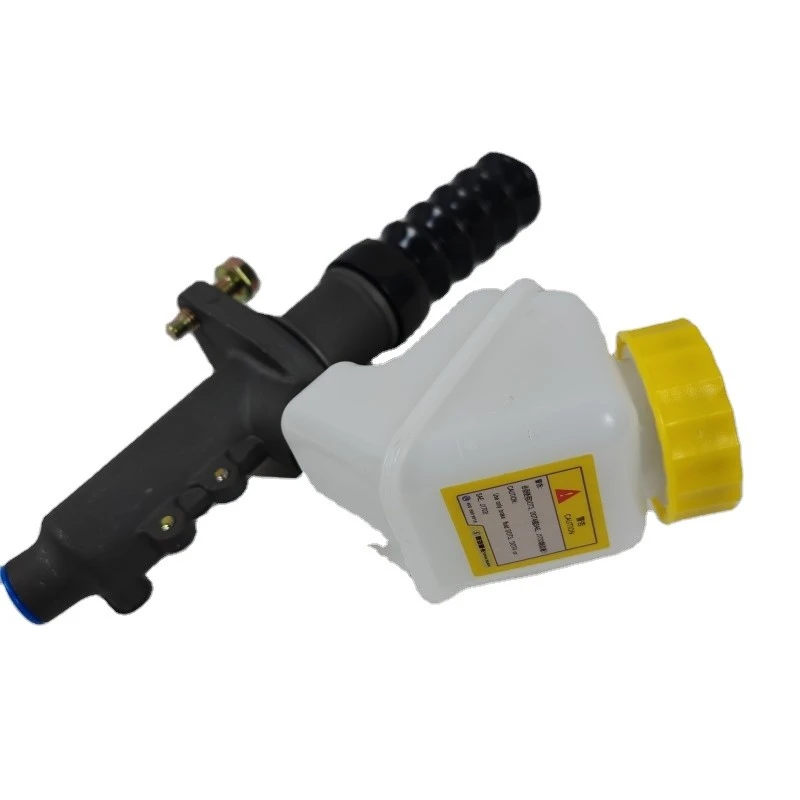
We also supply Clutch Master Cylinder for Shacman. The master cylinder is responsible for converting the mechanical force from the clutch pedal into hydraulic pressure. Our master cylinders are made from high - quality materials to ensure long - lasting performance and leak - free operation.
Contact for Purchase and Consultation
If you are in the market for a Clutch Plate for Schman or any of our other clutch - related products, we invite you to contact us for more information. Our team of experts is ready to assist you in selecting the right product for your specific needs. Whether you are a vehicle owner, a mechanic, or a fleet manager, we can provide you with the best solutions and support. Reach out to us to start a productive conversation about your clutch part requirements.
References
- "Automotive Clutch Design and Engineering" by John Doe
- "Materials Science for Automotive Applications" by Jane Smith
- Industry reports on clutch plate manufacturing and materials.