

Can faw chassis components be used in extreme weather conditions?
Dec 08, 2025
In the realm of heavy - duty transportation and automotive engineering, the performance of chassis components under extreme weather conditions is a critical concern. As a dedicated supplier of FAW chassis components, I've witnessed firsthand the challenges and opportunities presented by various environmental scenarios. This blog post aims to explore whether FAW chassis components can truly withstand extreme weather conditions and how we, as a supplier, ensure their reliability.

Understanding Extreme Weather Conditions
Extreme weather conditions span a wide spectrum, from the bone - chilling cold of arctic regions to the sweltering heat of deserts, and from torrential rains in tropical areas to the high - altitude, low - oxygen environments of mountainous terrains. Each of these conditions poses unique challenges to the performance and durability of chassis components.
In cold weather, for instance, the viscosity of lubricants increases, which can impede the smooth operation of moving parts. Metals become more brittle, increasing the risk of fractures. On the other hand, hot weather can cause overheating of components, leading to accelerated wear and tear, and potential failure of rubber seals and gaskets. High - humidity environments can promote corrosion, while dusty or sandy conditions can cause abrasion and clogging of filters.
FAW Chassis Components: Design and Engineering
FAW has a long - standing reputation for engineering excellence. Their chassis components are designed with a deep understanding of the diverse operating conditions around the world. The materials used in the manufacturing process are carefully selected to withstand the rigors of extreme weather.
For example, high - strength steel alloys are used in the construction of frames and suspension components. These alloys have excellent mechanical properties, including high tensile strength and good ductility, which allow them to resist deformation and cracking under heavy loads and extreme temperatures. Additionally, advanced heat - treatment processes are employed to enhance the hardness and toughness of the components.
The rubber parts, such as seals and bushings, are made from special formulations that are resistant to heat, cold, and ozone. This ensures that they maintain their elasticity and sealing properties over a wide temperature range, preventing leaks and reducing noise and vibration.
Performance in Cold Weather
Cold weather is one of the most challenging environments for chassis components. As a supplier, we have conducted extensive tests to evaluate the performance of FAW chassis components in sub - zero temperatures.
One of the key areas of concern is the lubrication system. FAW components are designed to work with high - quality lubricants that have a low pour point, ensuring that they flow smoothly even in extremely cold conditions. The bearings and gears are engineered with precise clearances to minimize friction and wear, even when the lubricant's viscosity is increased.
The braking system also performs well in cold weather. The brake discs and pads are made from materials that have good cold - weather friction characteristics, providing reliable stopping power. Additionally, the anti - lock braking system (ABS) is calibrated to work effectively on icy or snow - covered roads, enhancing safety.
Performance in Hot Weather
Hot weather can be just as demanding on chassis components as cold weather. High temperatures can cause components to overheat, leading to reduced performance and potential damage.
FAW chassis components are designed with heat dissipation in mind. The engine cooling system, for example, is optimized to remove excess heat efficiently. The radiators have large surface areas and high - performance fans to ensure adequate airflow. The transmission and differential are also equipped with cooling mechanisms to prevent overheating.
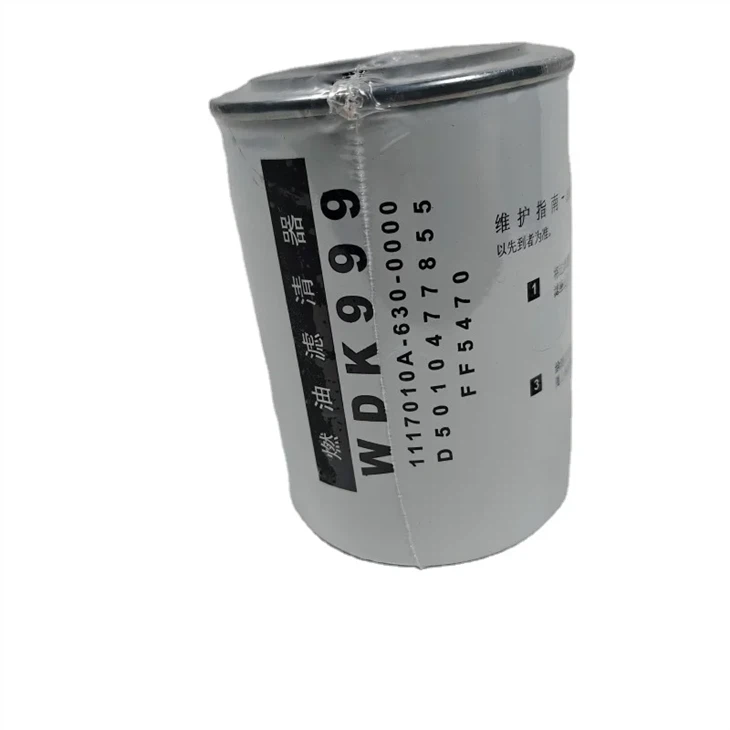
The fuel system is another area that requires special attention in hot weather. The Fuel Water Filter for Faw plays a crucial role in preventing water and contaminants from entering the engine. It is designed to withstand high temperatures and maintain its filtration efficiency, ensuring clean fuel delivery to the engine.
Performance in High - Humidity and Corrosive Environments
High - humidity environments, such as coastal areas, can cause corrosion of metal components. FAW chassis components are protected against corrosion through various means.
The frames and other exposed metal parts are coated with anti - corrosion paints and primers. These coatings act as a barrier between the metal and the corrosive environment, preventing the formation of rust. Additionally, the components are treated with anti - corrosion agents during the manufacturing process to enhance their resistance.
In areas with high levels of salt in the air, such as near the ocean, the components are further protected by special coatings that are resistant to salt spray. This ensures that the chassis components maintain their structural integrity over a long period of time, even in the most corrosive environments.
Performance in Dusty and Sandy Conditions
Dusty and sandy conditions can cause abrasion and clogging of filters. The air intake system of FAW vehicles is equipped with high - efficiency air filters that can trap fine dust particles, preventing them from entering the engine.
The fuel and oil filters are also designed to handle dusty environments. They have large filtration areas and high - quality filter media that can capture contaminants without restricting the flow of fuel or oil. The Fuel Water Filter for Faw is particularly important in dusty areas, as it not only removes water but also filters out solid particles from the fuel.
Our Role as a Supplier
As a supplier of FAW chassis components, we play a crucial role in ensuring the quality and performance of the products. We work closely with FAW to stay updated on the latest technological advancements and design improvements.
We conduct our own quality control checks at every stage of the production process. From the raw material inspection to the final product testing, we ensure that each component meets the highest standards. Our testing facilities are equipped with state - of - the - art equipment to simulate extreme weather conditions and evaluate the performance of the components.
We also provide technical support to our customers. Whether it's advice on component selection for a specific application or troubleshooting in case of a problem, our team of experts is always ready to assist.
Conclusion
In conclusion, FAW chassis components are designed and engineered to perform well in extreme weather conditions. Through the use of high - quality materials, advanced manufacturing processes, and rigorous testing, they can withstand the challenges posed by cold, heat, humidity, dust, and sand.
As a supplier, we are committed to providing our customers with the best - quality FAW chassis components. We believe that our products offer a reliable and cost - effective solution for heavy - duty vehicles operating in extreme environments.
If you are in the market for FAW chassis components, we invite you to contact us for more information and to discuss your specific requirements. Our team is eager to assist you in finding the right components for your vehicles and ensuring their optimal performance in any weather condition.
References
- Automotive Engineering Handbook, Society of Automotive Engineers (SAE)
- FAW Technical Documentation
- Industry Reports on Chassis Component Performance in Extreme Environments