

What is the electrical conductivity of faw chassis components (if applicable)?
Dec 08, 2025
Hey there! As a supplier of FAW chassis components, I often get asked about all sorts of things related to these parts. One question that's come up a few times lately is about the electrical conductivity of FAW chassis components. So, I thought I'd take the time to dig into this topic and share what I've found with you.
First off, let's talk a bit about what electrical conductivity is. In simple terms, electrical conductivity is a measure of how well a material can carry an electric current. Materials with high electrical conductivity, like metals, allow electric charges to move freely through them. On the other hand, materials with low conductivity, such as plastics or rubber, are more resistant to the flow of electricity.
Now, when it comes to FAW chassis components, the electrical conductivity can vary widely depending on the specific part. Many of the structural components of the chassis are made of steel or other metals. Metals are known for their good electrical conductivity. For example, steel has an electrical conductivity that allows it to conduct electricity relatively well. This is because metals have a large number of free electrons that can move easily through the material when an electric field is applied.
The fact that these metal chassis components can conduct electricity has some important implications. In a vehicle, there are a lot of electrical systems, like the battery, the lighting, and the engine control unit. The chassis can act as a sort of ground path for these electrical systems. When an electrical current needs to return to the battery's negative terminal, the metal chassis provides a low - resistance path for the current to flow. This helps in ensuring that the electrical systems work properly and safely.
However, not all FAW chassis components are made of highly conductive metals. Some parts, like bushings and gaskets, are often made of rubber or plastic materials. These materials have very low electrical conductivity. Rubber and plastic are insulators, which means they don't let electricity pass through them easily. This property is actually very useful in a vehicle. For example, rubber bushings can help isolate the chassis from electrical noise and vibrations. They also prevent unwanted electrical connections between different parts of the vehicle, which could cause short - circuits or other electrical problems.

Let's take a closer look at some specific FAW chassis components and their electrical conductivity. The frame of the chassis is a major structural component. It's typically made of steel, which as I mentioned earlier, has good electrical conductivity. The frame serves as a foundation for the entire vehicle and also plays a role in the electrical grounding system.
Another important part is the suspension system. Some of the metal parts in the suspension, like control arms and shock absorbers, are also conductive. These parts are in contact with other components of the vehicle, and their electrical conductivity can affect the overall electrical performance of the vehicle. For example, if there's a problem with the electrical connection in the suspension system, it could lead to issues with the vehicle's electronic stability control or other safety - related systems.
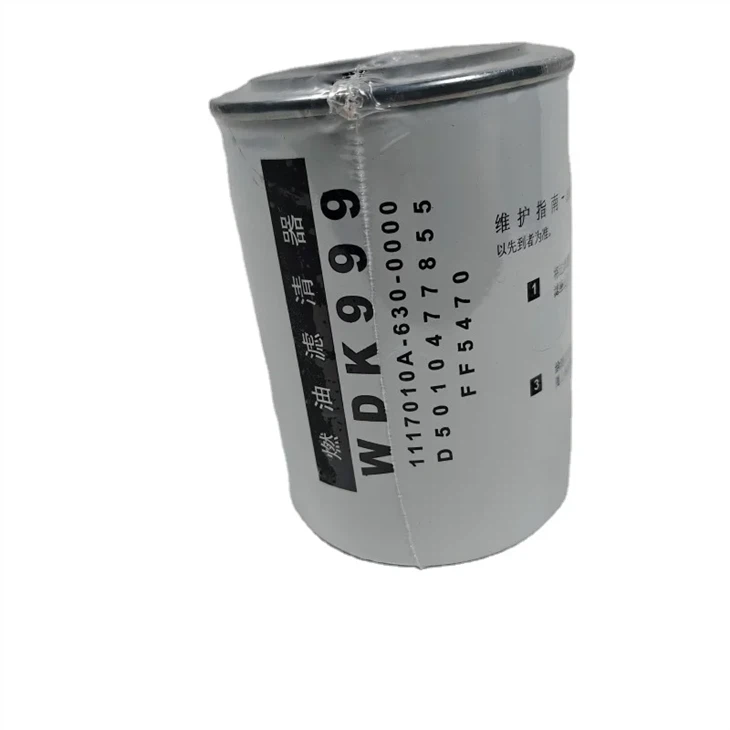
Now, what about components like the Fuel Water Filter for Faw? This filter is usually made of a combination of materials. The housing might be made of plastic, which has low electrical conductivity. This is beneficial as it helps to prevent any electrical interference with the fuel system. Inside the filter, there could be some metal parts, like the mesh or the valve components. These metal parts would have some degree of electrical conductivity, but their main function is related to the filtration of fuel and water separation, rather than electrical conduction.
It's also important to note that the electrical conductivity of FAW chassis components can be affected by factors such as corrosion. Over time, exposure to moisture, road salt, and other environmental elements can cause the metal parts to corrode. Corrosion can increase the resistance of the material, reducing its electrical conductivity. This can lead to problems in the vehicle's electrical system, as the increased resistance can cause voltage drops and other electrical issues.
To maintain the proper electrical conductivity of FAW chassis components, regular maintenance is crucial. This includes cleaning the components to remove dirt, grime, and corrosion. Applying protective coatings to the metal parts can also help prevent corrosion and maintain their electrical performance.
If you're in the market for FAW chassis components, it's essential to understand the electrical properties of the parts you're buying. Whether you're a mechanic looking to replace a worn - out part or a vehicle owner doing some DIY repairs, having this knowledge can help you ensure that the new component will work properly in the vehicle's electrical system.
As a supplier, I'm always here to assist you with any questions you might have about the electrical conductivity or any other properties of our FAW chassis components. Whether you need a replacement frame, suspension parts, or Fuel Water Filter for Faw, we've got you covered. We source our components from reliable manufacturers and ensure that they meet the highest quality standards.
If you're interested in purchasing FAW chassis components, don't hesitate to reach out. You can get in touch to discuss your specific requirements, and we'll work with you to find the best solutions for your needs. Whether it's a single part or a bulk order, we're committed to providing you with top - notch products and excellent service.
In conclusion, the electrical conductivity of FAW chassis components is an important factor that affects the overall performance and safety of the vehicle. Different components have different levels of conductivity, and understanding these properties can help in proper maintenance and replacement of the parts. So, if you have any more questions or need advice on FAW chassis components, drop us a line, and let's start the conversation.
References
- General automotive engineering textbooks on vehicle electrical systems
- Manufacturer's specifications for FAW chassis components