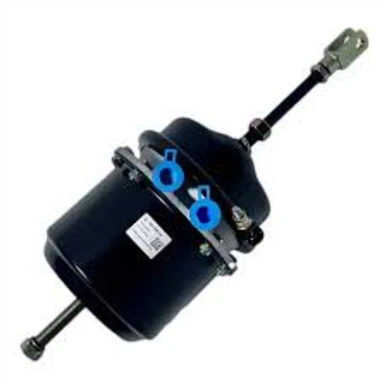

What are the two types of truck fuel pumps?
Jan 13, 2026
1. Mechanical Fuel Pumps vs. Electric Fuel Pumps: How They Work in Trucks
The core difference between these two types of fuel pumps lies in their driving mechanism and their location within the fuel system.
Mechanical fuel pumps have been standard equipment for decades, especially in gasoline engines. They are mounted on the engine block and are typically driven by eccentric cams on the engine camshaft. When the camshaft rotates, it drives the lever inside the pump to move, generating suction to draw fuel from the fuel tank and deliver it to the carburetor. They operate on a simple principle, are based on diaphragms, and achieve self-regulation at relatively low pressures (typically 4-6 PSI). However, their location is limited by the engine, and they are prone to vapor lock.
Electric fuel pumps are now standard equipment on all modern diesel and gasoline trucks, typically located inside or near the fuel tank. They are powered directly by the vehicle's electrical system. When you turn the ignition key, the relay activates the fuel pump, which immediately pressurizes the fuel lines. These fuel pumps typically employ a rotary vane or turbine design, enabling them to generate higher and more stable pressures to meet fuel injection requirements. Installed inside the fuel tank, it helps cool the fuel pump and reduces the risk of vapor lock.
2. Why do most modern trucks use electric fuel pumps?
The shift from mechanical to electric fuel pumps is driven by the demands of modern, high-efficiency engines. Here are the main advantages:
Higher and more stable pressure: Electronic fuel injection (EFI) and common rail diesel systems require precise, high-pressure fuel delivery. Electric fuel pumps can reliably provide this pressure, resulting in better fuel atomization, cleaner combustion, and more power.
Greater reliability and safety: The electric fuel pump is cooled by being immersed in fuel, which extends its service life. Starting the fuel pump and pressurizing the system before starting the engine can also ensure an instantaneous engine start.
Design flexibility: Installing the fuel pump inside the fuel tank simplifies the piping layout in the engine compartment and allows for more flexible vehicle design.
Reduced vapor resistance: The fuel in the tank is less affected by the engine heat, thus minimizing the possibility of the fuel vaporizing before reaching the injectors.
For these reasons, almost all modern Volvo, Mark, and other heavy-duty trucks rely on high-performance electric fuel pumps. When a fuel pump needs to be replaced, it is crucial to select a fuel pump that meets these stringent original equipment manufacturer (OEM) standards. Precisely engineered components manufactured by Bosch, such as the Volvo Mack fuel pump (part number 20997341), come into play here. As a leading global supplier, Bosch ensures that this fuel pump provides the precise flow, pressure, and durability required by these sophisticated engine systems, making it a reliable OEM-grade alternative.
3. Five Symptoms of Mechanical Fuel Pump Failure in Diesel Trucks
While less common in newer models, many older or purpose-built diesel vehicles still use mechanical fuel pumps (such as the fuel transfer pump that supplies fuel to the injection pump). Please note the following warning signals:
Unstable engine operation at high speeds/high RPMs: The fuel pump cannot meet the engine's fuel demands under high loads, resulting in intermittent power loss.
Insufficient power under load (traction/climbing): Similar to unstable operation, this indicates insufficient fuel supply when fuel demand is highest.
Engine temperature rise (vapor lock): Fuel pump failure or overheating of the fuel lines can cause vapor lock, which interrupts fuel flow and causes the engine to overheat.
The engine cannot start or has difficulty starting: a complete failure means that fuel cannot reach the cylinders. A degraded fuel pump performance can also prevent the system from starting properly.
Fuel leak: The diaphragm may rupture, which usually causes fuel to leak from the fuel pump drain hole or seals. You may also smell fuel.
Important note: These symptoms may also indicate a clogged filter or other problems. Accurate diagnosis is key to avoiding unnecessary repairs.
4. Truck Won't Start? How to Test for Two Types of Fuel Pump Failures
Before concluding that the fuel pump is faulty, follow these systematic testing steps.
For electric fuel pumps (most common):
Check for pre-pressurization: Turn the ignition switch to "ON" (do not start the engine). You should hear a distinct buzzing/whirring sound from the fuel tank area for 2-3 seconds, indicating the fuel pump is pre-pressurizing. If there is no sound, the fuel pump, fuse, or relay is likely faulty.
Check fuel pressure: This is the most critical test. Locate the fuel rail test port (refer to your service manual), connect a pressure gauge, and check if the reading matches the manufacturer's specifications with the ignition switch in the "ON" position. Low or zero pressure indicates a problem with the fuel pump, pressure regulator, or a clogged line.
Check the circuit: Use a multimeter to check if power and ground are connected to the fuel pump connector when the ignition switch is in the "ON" position.
For mechanical fuel pumps:
Check for pulsation and flow: Disconnect the fuel outlet line. Point the line into a safe container and then start the engine. You should see a strong, pulsating stream of fuel. Weak or no fuel flow indicates a faulty fuel pump, stuck valve, or damaged camshaft lobe.
Pressure test: Install a low-pressure gauge (0-15 PSI) in the fuel outlet line and then start the engine. Compare the reading to the specifications in your service manual.
5. Step-by-Step Guide: Replacing the Electric Fuel Pump on Volvo/Mack Trucks
Replacing the electric fuel pump in the fuel tank is a task that can be easily accomplished with proper preparation and safety precautions.
Tools and Parts Required:
New fuel pump module or assembly (e.g., Bosch 20997341 for specific Volvo/Mack models)
Socket wrench set, pipe wrench
Safety glasses, nitrile gloves, fire extinguisher
Rags, fuel-resistant container
Overview of Operating Steps:
Safety First: Disconnect the negative battery terminal. Release fuel system pressure (if required by the repair procedure). Work in a well-ventilated area and avoid sparks or open flames.
Locate the Fuel Pump: The fuel pump is usually located under the sleeper berth or through an access panel on the truck chassis. Remove the cover plate to expose the top of the fuel tank and the fuel pump locking ring.
Disconnect and Remove: Disconnect the electrical harness and fuel lines. Carefully loosen the large locking ring using a special wrench or blunt chisel. Remove the entire fuel pump/fuel sensor assembly from the fuel tank. Note its installation orientation.
Transfer Components (if needed): If only replacing the fuel pump, you can transfer the fuel sensor, float arm, and strainer to the new housing. Ensure all seals and connections are intact.
Install the New Fuel Pump: Carefully insert the new or refurbished assembly into the fuel tank and align it correctly. Secure the locking ring. Reconnect all fuel lines and electrical connectors.
Prime and Test: Reconnect the battery. Turn the key to the "ON" position several times (for about 2-3 seconds each time) to prime the system and check for leaks. Finally, start the engine and verify proper operation.
Why Choose the Bosch 20997341 Fuel Pump?
Using a high-quality, direct-fit replacement part like the Bosch 20997341 is crucial. It guarantees:
Perfect Compatibility: A perfect match for the specified Volvo/Mack models, avoiding modifications or fitment issues.
Reliable Performance: Provides the precise fuel pressure and flow required by the engine's injection system. Durability: Manufactured to Bosch engineering standards, capable of withstanding the harsh environment inside the fuel tank.
Long-term Value: Prevents premature failure, engine performance degradation, and costly secondary repairs or downtime. You can find this reliable, OE-specification part here: Volvo/Mack Truck Fuel Pump 20997341 Bosch.
Conclusion
Understanding the evolution of fuel pumps from mechanical to electric is crucial for effective truck maintenance. Identifying early failure symptoms, knowing how to perform tests, and following the correct replacement procedures are all key skills.
CONTACT
location:
No. 9,Sanqiao Road, Fengdong New City, Xi'xian New District, Xi'an , Shaanxi,China
Moblie/whatsapp/wechat:
+86 13310989421
Email:
laifeng@onodetruckparts.com